

Enter inside the colourful universe of Avia Fly 2, a place where whirling reels converge with the interesting habits of players https://avia-fly-2.eu. We’ve gone through data and community chatter to identify a distinct trend: the preferred numbers selected by the game’s UK fans. Avia Fly 2 runs on chance, but the choices players make, from their bet sizes to the lucky digits they rely by, reveal a lot about cultural leanings and even strategy. This article examines at the reasons behind these numerical favourites. We’ll move past simple superstition to see the practical and psychological forces that determine how people interact with this popular slot. Let’s check at the digits that fuel the action.
The Cultural Pull of “7” and “13”
You can’t talk about number preferences in games without bringing up the heavyweights: 7 and 13. In Avia Fly 2, this manifests not always in bet sizing, but in the smaller decisions players make. The number 7, linked everywhere with luck and good fortune, stays a constant favourite. A player could opt to spin at 7 minutes past the hour, or set their auto-spin count to 7. On the flip side, the number 13 carries its classic reputation as a bad luck omen. Many UK players deliberately avoid it, skipping bets of £1.30 or avoiding to set 13 auto-spins. This superstitious practice intertwines a thread of old folklore into the modern digital game, demonstrating that ancient beliefs continue in contemporary online play.
What Your Number Choice Says About Your Playstyle
Finally, the numbers you consistently choose in Avia Fly 2 reveal your general attitude to the game. Do you consider yourself a consistent “25p” bettor? This suggests a balanced approach concentrated on entertainment and making your playing time last. Are you drawn to prime numbers or personal dates like a birthday? You’re probably integrating personal narrative and superstition into the game, valuing emotional connection. Players who consistently employ multiples of their bankroll are methodical players, regarding the slot as an exercise in resource allocation. Those who confidently place uneven bets like £1.37 might be more intuitive, less constrained by convention. Spotting these patterns in your own play can lead to more mindful decisions, turning a simple number choice into a tool for a superior, more managed session.
The number preferences of UK Avia Fly 2 players, from the common prevalence of 25 and 50 to the enduring myths of 7 and 13, demonstrate a fascinating blend of culture, psychology, and tactics. These choices are not random. They constitute a personal language players use to convey their attitude towards risk, luck, and fun. Whether guided by superstition, mathematical planning, or the uncomplicated appeal of a round number, each selected digit adds a layer of human intention to the game’s algorithmic core. Noticing these trends does more than quench curiosity. It underscores the captivating, customised experience that modern slots like Avia Fly 2 provide to their players.
The Reigning Champion: Betting on “25” and “50”
Data from the UK Avia Fly 2 scene indicates a clear winner: the numbers 25 and 50, especially when used as bet amounts. Putting 25 pence or 50 pence per line, or making total bets that are multiples of these figures, is a common practice. This tendency makes sense for two main reasons. These amounts achieve a practical balance between thrill and responsible spending, letting players experience longer sessions without overspending their budget too fast. They also fit neatly into the decimal currency system, making sums simple to do in your head. The number 50, representing a firm half-pound, feels both substantial and familiar. This trend highlights how UK players often combine cautious money management with their quest for a thrill.
Strategic Multiples and Bankroll Management
Apart from superstition, a large part of the UK Avia Fly 2 community exhibits strategic number behaviour aimed at managing their money. We notice a strong inclination towards bets that are clean fractions or multiples of a player’s total session budget. A player with £20 to spend might keep strictly to £1 bets (which is one-twentieth of the bankroll) or bets of £0.80. This systematic method gives precise control over the number of spins and overall risk. Numbers that allow for easy division, like 10, 20, 25, and 100, naturally become popular. This pattern indicates a mature, calculated approach. The goal here is to maximize entertainment and maintain a strategic presence, not to chase big jackpots with impulsive, large bets.
The Psychology of Round Numbers
Round numbers like 10, 20, 50, and 100 possess a strong appeal in Avia Fly 2. These figures are cognitively simple. They are easy to process, remember, and keep track of. When a player establishes a win target of £50 or a loss limit of £20, these round numbers create firm mental lines. That clarity reduces decision fatigue and emotional strain during a session. Also, hitting a win that lands exactly on a round number, like cashing out at a neat £100, provides a stronger sense of satisfaction and closure than winning £97.43 would. This mental principle, often called “round-number bias,” is a major reason players establish a structured and personally satisfying session, whether they realise they’re doing it or not.
Introduction to Numerical Choice in Slot Games
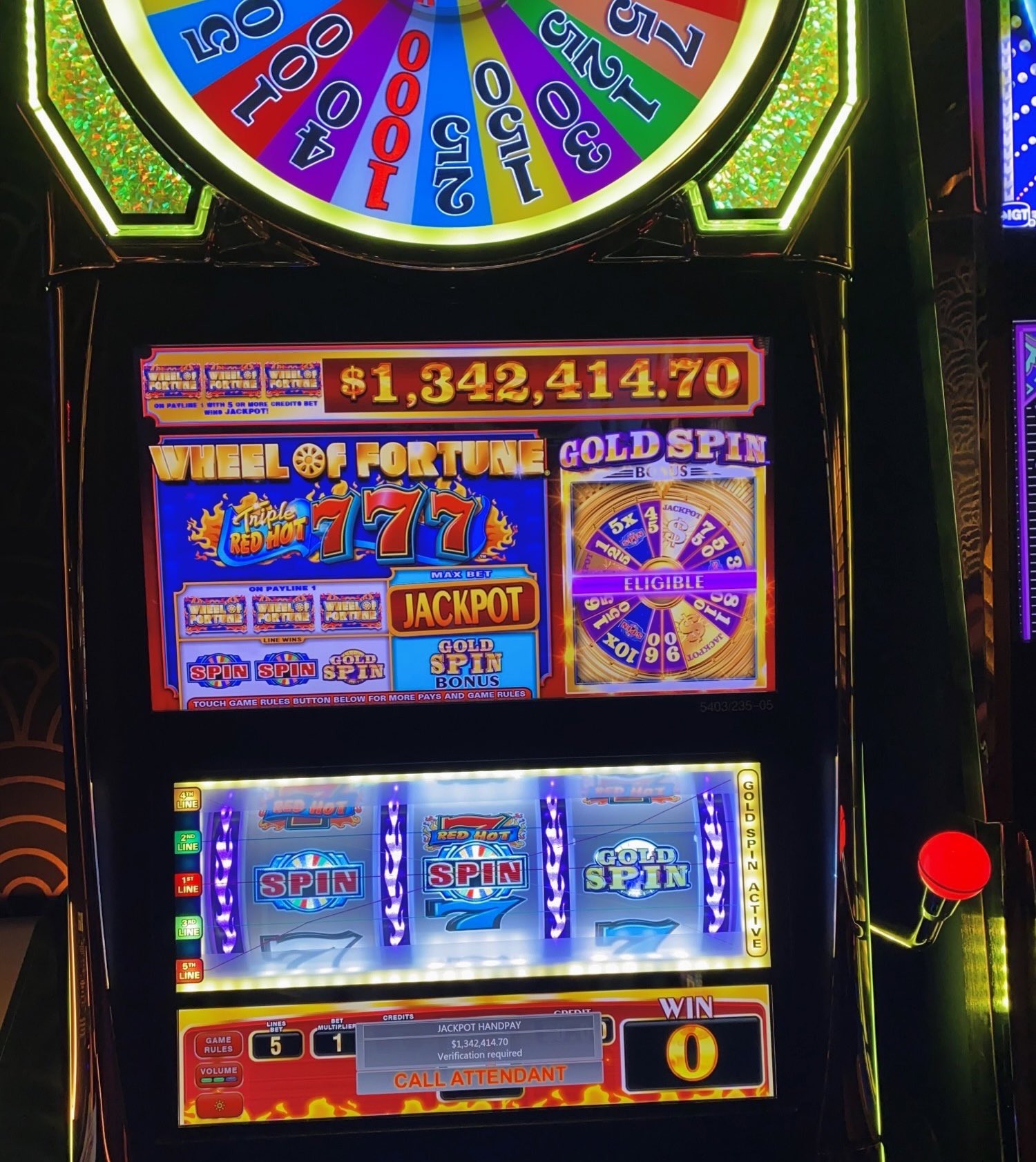
One might assume a slot like Avia Fly 2 provides no number choices, governed entirely by its random number generator. Yet players devise creative ways to impose their own influence. They choose certain bet sizes, pick particular coin values, and sometimes coordinate their spins with personal lucky numbers. This serves as a type of numerical self-expression. It’s especially common in established markets like the UK, where players often mix old traditions with new digital play. Studying this behaviour offers a clear window into how players connect with a game. It proves that even in a digital space, human habits and preferences actively mould the experience.
Why Numbers Are Important Beyond the RNG
Avia Fly 2’s core is an impartial RNG, guaranteeing fair and independent results every time. But the numbers players introduce are personal. They work as psychological anchors, providing a sense of control and ritual inside a world of randomness. For many in the UK, these numbers relate to birthdays, anniversaries, or culturally important figures. This converts a basic stake into a small personal story. That layer of personalisation amplifies the game’s emotional pull. A win feels more meaningful; a loss can be brushed off more easily. It’s this ongoing interplay between unfeeling code and very human belief that defines today’s slot play.
Examining Trends: A Broader International Perspective
UK players show a clear preference for 25, 50, and strategic multiples. How does this measure up against other countries? In markets using dollars or euros, preferences adapt to their own “round” units, like 1, 5, 10, and 100. The cultural power of the number 7 is almost global, but the avoidance of 13 is less pronounced in some Asian cultures, where different numbers carry unlucky meanings. Players from regions with a penchant for high-risk, high-volatility play might also favor odd, non-round bet amounts that depart from the conservative bankroll patterns common in the UK. This comparison reveals how local context and currency systems fundamentally change the numerical preferences in a game like Avia Fly 2.
Avia Fly 2 title Attributes Affecting Number Picks

The game’s own design directly steers which numbers players prefer. Avia Fly 2’s bonus features, payline setup, and betting options create a framework that influences choice. For instance, if a bonus round multiplier often targets bets of a specific size, players might start using that denomination more to optimize potential future payouts. The sound effects and animations for certain win amounts can create positive connections, too. A special celebration that triggers more often for wins over 25 times the bet can make that number range feel more appealing without the player even realizing. So the game’s architecture initiates a conversation with player psychology. Built-in numerical patterns and rewards can promote and cement specific betting habits among the UK audience.